Business Savings Goals: How to Set and Calculate Them
Learn how to define, calculate, and achieve strategic business savings goals. Build cash reserves, fund expansion, and secure your company's future.
BT
Bizcalc Team
·September 8, 2026
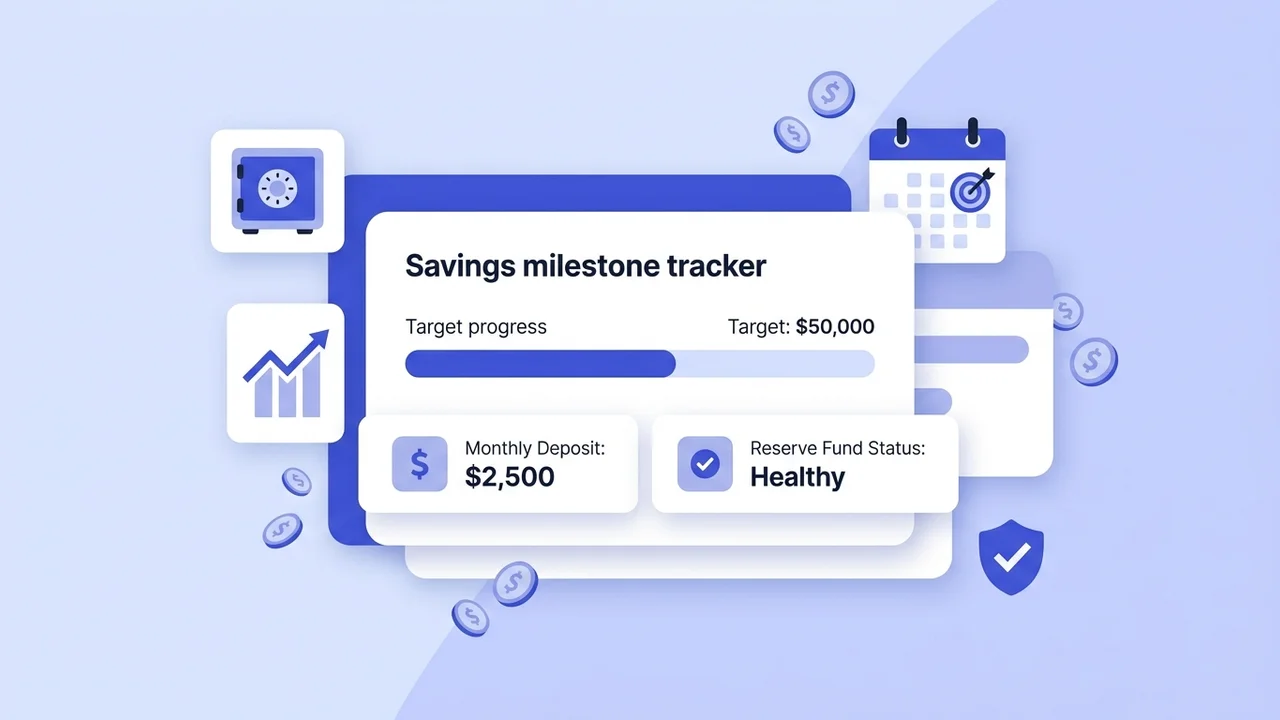
Operating a resilient enterprise requires far more than generating healthy top-line revenue or maintaining positive gross profit margins. A business can report impressive accounting profits on its quarterly income statement and still face insolvency if its liquid cash balances fail to cover immediate obligations during unexpected market downturns. Establishing structured business savings goals provides the financial insulation necessary to absorb operational shocks, self-fund strategic growth, and eliminate reliance on expensive commercial debt.
Many enterprise founders and finance teams manage cash reactively. When receivables arrive, accounts payable are settled, payroll is disbursed, and whatever residual balance remains in the primary operating account is treated as surplus. This ad-hoc approach exposes organizations to acute cash crunches when seasonal revenue slumps occur, critical machinery fails, or major corporate clients delay payments beyond standard credit terms.
Transitioning from reactive cash survival to disciplined capital accumulation requires clear target milestones, mathematical precision, and segregated funding structures. This guide breaks down how to identify your organization's savings requirements, calculate exact periodic contribution targets using both simple and compound growth models, select optimal holding vehicles, and integrate automated reserve funding into monthly financial workflows.
🏦
Savings Goal Calculator
Calculate the exact monthly contribution required to hit your business cash reserve or capital expansion targets.
Cash reserves represent the ultimate operational shock absorber. In corporate finance, liquidity dictates negotiating leverage, risk tolerance, and long-term enterprise value. Companies operating with robust cash buffers navigate economic disruptions from a position of strength, while cash-strapped competitors are forced into emergency asset sales, dilutive equity rounds, or predatory credit arrangements.
1. Eliminating Vulnerability to Cash Flow Timing Gaps
Profitability does not equal liquidity. If a consulting firm delivers $100,000 worth of services in March, that revenue appears immediately on an accrual basis. However, if the client operates on Net-60 or Net-90 payment terms, the firm will not receive physical cash until May or June. Without dedicated savings reserves, paying intermediate payroll, software subscriptions, and tax obligations becomes a recurring crisis.
Liquid capital enables rapid commercial action. Suppliers frequently offer substantial volume discounts (e.g., 10% to 20% off) for cash upfront, or competitors struggling during downturns may offer product lines, customer books, or equipment at steep discounts. Organizations with earmarked expansion savings can execute immediately without waiting weeks for commercial loan underwriting.
3. Mitigating Rising Cost of Capital
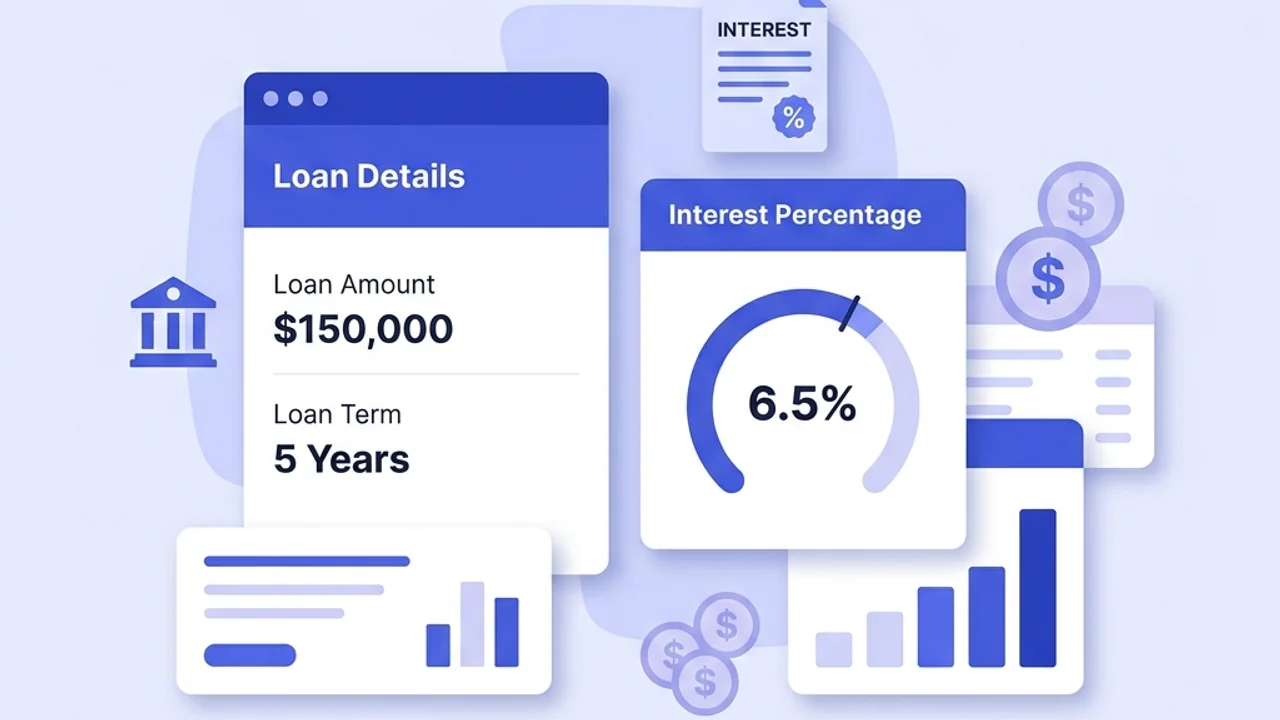
In fluctuating interest rate environments, commercial borrowing costs can escalate rapidly. Financing equipment, commercial vehicles, or facility renovations through bank debt or equipment leasing incurs substantial cumulative interest expenses. Setting a defined savings horizon allows a company to self-finance major acquisitions, preserving equity and avoiding restrictive loan covenants.
The Five Core Types of Business Savings Goals
Business savings should never be pooled into a single, amorphous account. When reserves are combined with daily operating capital, leadership teams struggle to distinguish between spendable cash flow and critical safety buffers. Segmenting capital into five distinct functional categories ensures clarity, governance, and disciplined allocation.
The emergency reserve is the foundational pillar of corporate solvency. Its sole purpose is maintaining normal operations during severe revenue contractions, macroeconomic crises, client defaults, or natural disruptions.
Target Size: 3 to 6 months of baseline operating expenses (OpEx).
Tax liabilities represent mandatory, non-negotiable cash outflows. Failing to remit corporate income taxes, payroll withholdings, sales taxes, or value-added taxes (VAT/GST) triggers severe statutory penalties, director liability, and operational shutdowns.
Target Size: 100% of estimated rolling tax liabilities.
Time Horizon: Monthly or quarterly remittance cycle.
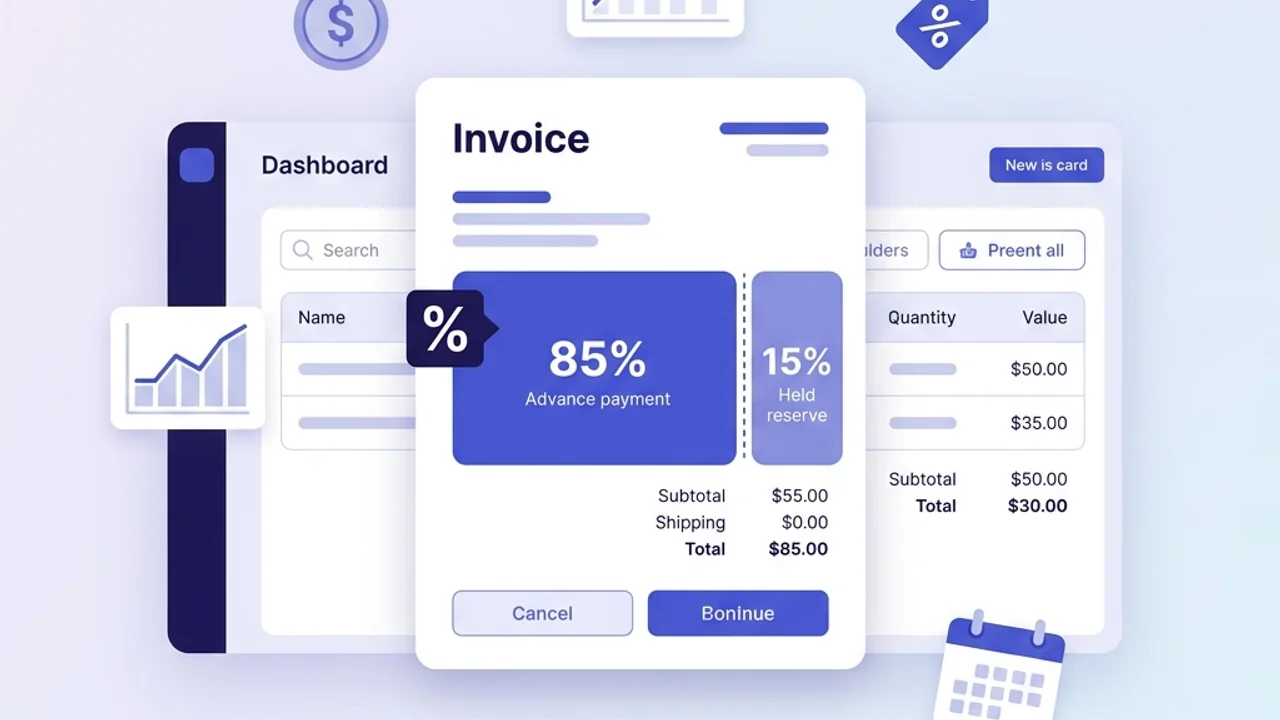
Strategy: Allocate a predetermined percentage of gross receipts (typically 15% to 30%, depending on jurisdiction and entity type) immediately upon invoice collection.
3. Capital Expenditure (CapEx) and Asset Replacement Fund
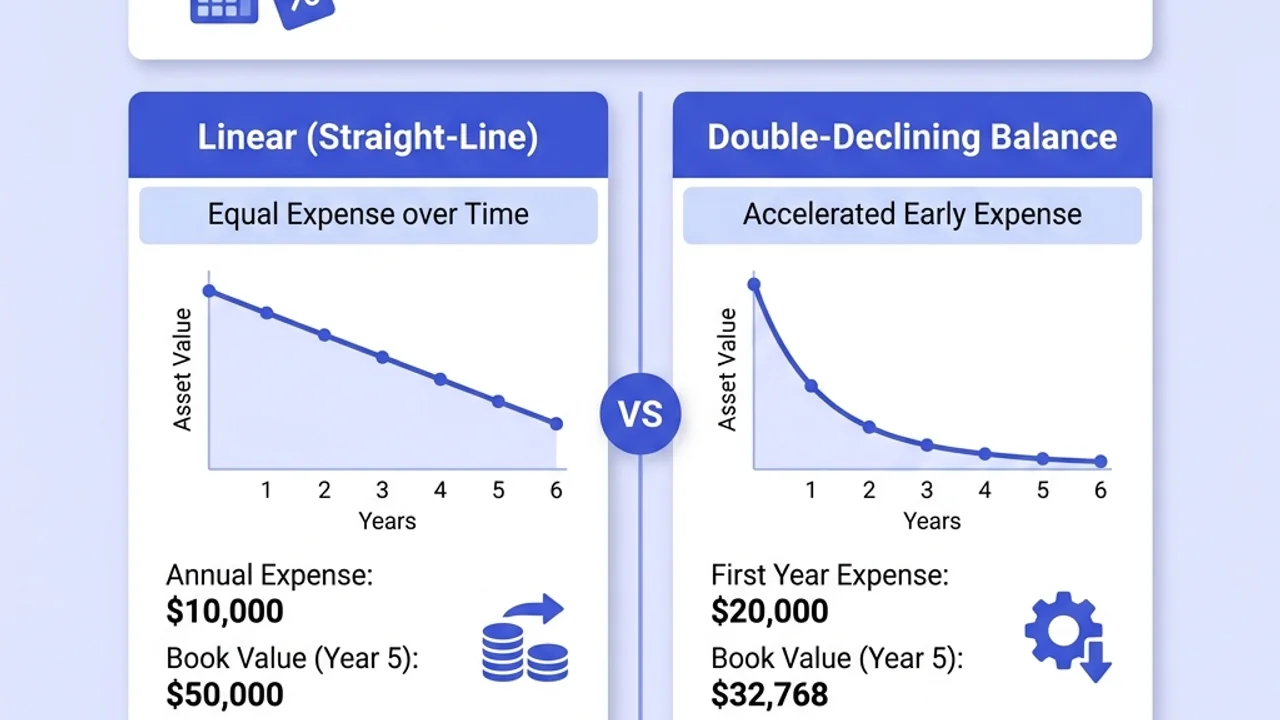
Physical assets, technological infrastructure, and vehicles lose economic value over time. Rather than waiting for a critical machine or server cluster to fail, forward-looking companies match their monthly depreciation expenses with real cash allocations.
Target Size: Replacement cost of mission-critical machinery and infrastructure minus salvage value.
Time Horizon: 12 to 60 months, aligned with the asset's useful life.
This capital fund is dedicated to offensive enterprise milestones that expand market share, enhance operational efficiency, or increase recurring revenue.
Target Size: Budgeted cost of specific initiatives (e.g., launching a new product line, opening a second retail location, funding an aggressive marketing campaign).
Carrying variable-rate debt or high-interest commercial obligations depresses net profit margins. Establishing a dedicated debt-paydown reserve enables early principal curtailment, balloon payment settlement, or complete debt elimination.
Target Size: Outstanding principal balance or target lump-sum payoff amount.
Time Horizon: Aligned with loan amortization schedules or prepayment penalty expiration dates.
Comparative Framework for Business Savings Goals
Savings Category
Primary Purpose
Recommended Funding Target
Liquidity Requirement
Risk Tolerance
Operating Reserve
Involuntary downturn protection
3–6 months fixed OpEx
Immediate (Same-day access)
Zero Risk (HYBSA / Treasury)
Tax Provision
Statutory compliance & payroll
100% accrued tax liability
High (Monthly/Quarterly)
Zero Risk (Government-insured)
CapEx Replacement
Planned asset renewal
Projected asset purchase price
Medium (Notice accounts / Term deposits)
Very Low (Capital preservation)
Growth & Expansion
New revenue acquisition
Project budget + 15% contingency
Medium (Flexible milestone access)
Low-to-Moderate (Short-term debt instruments)
Debt Retirement
De-leveraging & interest reduction
Target balloon or principal balance
Aligned with loan term dates
Low (Term matching)
Determining Your Required Reserve Size
Before calculating monthly contribution schedules, management must establish an accurate baseline for target savings amounts. The optimal reserve size depends on fixed operating burn rates, industry volatility, client concentration, and working capital cycles.
Step 1: Calculate Your True Monthly Baseline Burn Rate
Do not rely on rough estimates or gross revenue figures. Determine your strict non-discretionary baseline burn rate—the absolute minimum monthly cash outflow required to keep doors open and avoid contractual default.
When current assets (cash, accounts receivable, liquid inventory) fail to comfortably exceed current liabilities (accounts payable, short-term debt, accrued expenses), savings goals must prioritize baseline working capital stabilization before capital expansion.
The Mathematics of Business Savings Calculations
Calculating the exact monthly deposit needed to reach a target savings milestone requires understanding two primary financial calculation methods: Simple Linear Contribution and Compound Annuity (Future Value of Sinking Fund).
                                SAVINGS CALCULATION
                                         |
             +---------------------------+---------------------------+
             |                                                       |
   [ SIMPLE METHOD ]                                       [ COMPOUND METHOD ]
(Short-term / Zero Interest)                             (Medium & Long-Term HYBSA)
             |                                                       |
             v                                                       v
Monthly = (Target - Current) ÷ Months              Sinking Fund Formula with Periodic APY
Method 1: Simple Linear Contribution (Zero-Interest Baseline)
The simple method is suitable for short-term targets (under 12 months) or when funds are held in zero-interest commercial checking accounts.
Formula:
$$PMT = \frac{S - P_0}{n}$$
Where:
$PMT$ = Required monthly contribution
$S$ = Target savings goal amount
$P_0$ = Current starting balance already saved
$n$ = Time horizon in months
Worked Example:
A logistics company needs to amass $60,000 over 15 months for annual insurance premiums and fleet software renewals. They currently have $7,500 earmarked in reserve.
The company must allocate exactly $3,500 each month from operating cash flow into the earmarked reserve.
Method 2: Sinking Fund Annuity (With Compound Interest)
When accumulating funds over medium-to-long horizons (12 to 60 months) in High-Yield Business Savings Accounts (HYBSA), Treasury Bills, or Money Market Accounts, interest earned significantly lowers the required monthly cash outlay.
For multi-year capital projects (such as purchasing manufacturing equipment or commercial real estate 3 to 5 years in the future), inflation erodes purchasing power. An equipment package priced at £80,000 today may cost significantly more at the time of purchase.
You can calculate historical and projected cost erosion using the Inflation Calculator.
Three Real-World Business Savings Scenarios
To illustrate how these mathematical principles apply across various corporate structures, consider three comprehensive scenarios representing distinct business models.
Holding Account: High-Yield Business Savings Account at 4.25% APY.
Calculation Summary:
• Target Amount: $210,000
• Starting Principal: $30,000
• Future Value of Starting Principal (24 mos @ 4.25%): $32,654.80
• Balance Remaining to Fund: $177,345.20
• Required Monthly Allocation: $7,088.15
• Total Out-of-Pocket Cash Deposited: $170,115.60
• Total Interest Earned: $9,884.40
Operational Execution: The agency automates a transfer of $3,544.08 on the 1st and 15th of every month immediately following client retainer billing runs.
Scenario B: Manufacturing Business Funding a Planned Machinery Upgrade
Profile: Precision metal fabrication firm replacing an industrial CNC milling center.
Current Machinery Cost: £220,000.
Expected Inflation (4 years @ 3.0%): £220,000 × (1.03)⁴ = £247,600 (Rounded to £250,000 target).
Current Salvage Value of Existing CNC: Estimated at £35,000 at retirement.
Net Future Target Needed ($S$): £250,000 − £35,000 = £215,000.
Current Dedicated Seed Fund ($P_0$):£20,000.
Timeline: 48 Months (4 Years).
Yield: 4.75% APY (Rolling 12-Month Treasury Bills / Term Deposits).
Calculation Summary:
• Net Target Needed: £215,000
• Starting Balance: £20,000
• Future Value of Starting Balance (48 mos @ 4.75%): £24,175.80
• Remaining Deficit: £190,824.20
• Required Monthly Sinking Fund Allocation: £3,622.40
• Total Out-of-Pocket Deposits: £173,875.20
• Total Interest Earned: £21,124.80
Strategic Outcome: By saving £3,622.40 per month, the company avoids an equipment lease or bank loan that would have incurred over £42,000 in financing fees and interest charges, boosting future Gross Profit Margins.
Scenario C: Healthcare Clinic Provisioning Rolling Tax Reserves
Profile: Private specialized medical practice generating €120,000 in monthly billings.
Policy: The practice transfers 16.6% of daily patient settlement receipts automatically into the tax reserve account, ensuring funds are never co-mingled with daily operating capital.
Multi-Scenario Contribution Matrix
Scenario
Target Goal
Starting Principal
Horizon
APY
Monthly Contribution
Total Principal Paid
Total Interest Earned
Agency Emergency Fund
$210,000
$30,000
24 Mo
4.25%
$7,088.15
$170,115.60
$9,884.40
CNC Machinery CapEx
£215,000
£20,000
48 Mo
4.75%
£3,622.40
£173,875.20
£21,124.80
Clinic Quarterly Tax
€60,000
€0
3 Mo
3.50%
€19,941.80
€59,825.40
€174.60
E-Commerce Inventory Buffer
$85,000
$10,000
12 Mo
4.50%
$6,112.90
$73,354.80
$1,645.20
Commercial Lease Deposit
$45,000
$5,000
18 Mo
4.00%
$2,154.30
$38,777.40
$1,222.60
Where to Hold Business Cash Reserves
Depositing business savings into the wrong financial vehicle creates friction, tax inefficiency, or unacceptable capital risk. Business reserve accounts must balance Safety (Capital Preservation), Liquidity (Accessibility), and Yield (Inflation Defense).
Modern commercial fintech platforms and regional banks offer high-yield business savings accounts yielding 3.5% to 5.0% APY. These accounts provide same-day or next-day ACH transfers to your primary operating account without transaction penalties.
Best For: Operating emergency buffers and quarterly tax reserves.
Risk Profile: Minimal (backed by FDIC in the US, FSCS in the UK, or equivalent national statutory deposit schemes up to legislative limits).
2. Treasury Bills and Short-Term Sovereign Debt
Short-term government debt instruments (such as 4-week, 8-week, 13-week, or 26-week US Treasury Bills, UK Gilts, or German Bunds) offer sovereign-backed security and competitive yields.
Best For: Intermediate CapEx replacement funds and large growth reserves exceeding statutory bank deposit limits.
Advantage: In many jurisdictions (including the US), Treasury interest is exempt from state and local income taxes, increasing net after-tax yield.
3. Insured Cash Sweep (ICS) Programs
When enterprise reserves exceed standard statutory insurance caps (e.g., $250,000 per institution under the FDIC, or £85,000 under the FSCS), leaving millions in a single commercial bank exposes the company to institutional failure risk. Insured Cash Sweep networks automatically break large balances into sub-$250,000 increments across hundreds of vetted member banks while maintaining consolidated reporting and liquidity through a single primary relationship.
Best For: Mid-market enterprises holding $500,000+ in liquid reserves.
4. What to Avoid
Equity Markets & Crypto Assets: Never hold emergency operating reserves or tax provisions in volatile equities, ETFs, mutual funds, or digital assets. A 20% market correction occurring simultaneously with an industry downturn destroys your liquidity buffer exactly when you need it most.
Illiquid Multi-Year Fixed Deposits with Break Penalties: Avoid long lock-up periods for emergency capital. If accessing funds early incurs substantial interest forfeit penalties, the account undermines its primary objective of emergency availability.
Integrating Savings Goals into Cash Flow Projections
A business savings goal will fail if it relies on "saving whatever is left over at the end of the month." In corporate budgeting, expenses expand to consume available operating cash. To achieve consistent accumulation, savings contributions must be treated as mandatory, non-negotiable cash outflows.
                           MONTHLY CASH FLOW ORDER
                                     |
               [ GROSS CASH RECEIPTS (Collected Inflows) ]
                                     |
                                     v
               [ STEP 1: Statutory Tax Reserve Transfer (20%) ]
                                     |
                                     v
               [ STEP 2: Non-Negotiable Savings Allocation (10%) ]
                                     |
                                     v
               [ STEP 3: Core Operating Expenses & Payroll ]
                                     |
                                     v
               [ STEP 4: Discretionary Reinvestment / Dividend ]
The "Pay Your Business First" Workflow
Invoice Collection: As customer cash settles in your primary clearing account, immediately route a predetermined percentage to reserve vaults.
Scheduled Automated Sweeps: Program standing automated transfers to execute 24 hours after major billing milestones (e.g., the 2nd and 16th of each month).
Cash Flow Forecast Integration: Input monthly savings contributions directly into your rolling 12-month models using the Cash Flow Projection Calculator. By treating reserve funding as a committed budget line item, leadership visualizes true net liquidity rather than artificial surplus.
Managing Cash Flow Slumps Without Abandoning Goals
During temporary operational slumps or seasonal lulls:
Tiered Pause Rules: Establish clear governance on when savings deposits may be temporarily reduced. For example: "If monthly cash receipts fall below 80% of baseline projections, CapEx and Growth savings pause automatically, but Operating Buffer contributions continue at 50%."
Catch-Up Mechanism: When cash flow rebounds during peak seasonal quarters, allocate a predetermined bonus percentage (e.g., 25% of surplus profits) directly to catch-up contributions until the milestone trajectory is restored.
Accounting and Tax Treatment of Business Savings
Management teams must maintain clear communication with their Certified Public Accountant (CPA) or Chartered Accountant regarding how savings transfers and interest yields are reflected on financial statements.
+-------------------------------------------------------------------------+
|                  FINANCIAL STATEMENT ACCOUNTING IMPACT                  |
+-----------------------------------+-------------------------------------+
| BALANCE SHEET (Statement of Fin.) | INCOME STATEMENT (P&L)              |
+-----------------------------------+-------------------------------------+
| • Operating Checking decreases    | • Zero impact from principal        |
| • Savings Asset increases         |   transfers (Not an expense)        |
| • Total Current Assets UNCHANGED  | • Interest Earned = Taxable Income  |
| • Working Capital UNCHANGED       | • Net Profit increases by yield     |
+-----------------------------------+-------------------------------------+
1. Balance Sheet Asset Classification
Transferring funds from an operating checking account to a savings account or money market fund is an internal asset reclassification:
There is zero impact on net income or operating expenses. The company's total liquidity remains identical; only the restriction and location of the cash changes.
2. Taxation of Interest Yields
Interest earned on business savings accounts, Treasury bills, or money market instruments is classified as Non-Operating Income (or Other Income) on your Profit and Loss statement.
This income is taxable at normal corporate or pass-through business tax rates.
Earmark approximately 20% to 30% of your gross annual interest earnings to cover the resulting tax liability.
3. Separation of Personal and Commercial Savings
For sole proprietorships, partnerships, and closely held private corporations, business reserves must remain strictly inside dedicated business entity accounts. Commingling business savings in personal accounts risks:
Piercing the Corporate Veil: Invalidating limited liability protections in legal disputes.
Audit Scrutiny: Complicating tax audits and triggering reclassification of business cash as personal owner draws or taxable dividends.
Step-by-Step Implementation Blueprint
Follow this structured four-week implementation roadmap to establish, calculate, and automate your company's savings architecture.
Review the last 12 months of general ledger data to calculate your average monthly non-discretionary baseline burn rate.
Identify upcoming major capital expenditures, software license renewals, insurance premiums, and tax deadlines over the next 36 months.
Determine your organization's risk profile (3, 6, 9, or 12 months of OpEx required).
Phase 2: Goal Segmentation and Horizon Mapping (Days 8–14)
Create separate milestone cards for:
Operational Emergency Reserve
Tax & Payroll Reserve
CapEx Replacement Fund
Strategic Expansion Fund
Assign explicit target dollar amounts and target achievement dates (e.g., "Accumulate $150,000 for emergency reserves by December 31, 2028").
Phase 3: Mathematical Modeling and Cash Flow Integration (Days 15–21)
Input your starting balances, target goals, timelines, and projected account yields into the Savings Goal Calculator.
Calculate the required monthly deposit ($PMT$) for each functional category.
Integrate these monthly allocations into your cash forecast using the Cash Flow Projection Calculator to ensure daily operations remain fully solvent.
Phase 4: Account Infrastructure and Automated Execution (Days 22–30)
Establish dedicated sub-accounts or specialized high-yield corporate accounts with your banking partner.
Configure automated standing transfers to trigger immediately following major client billing cycles.
Draft written Corporate Reserve Governance Guidelines specifying:
Exactly who has authority to authorize a reserve withdrawal (e.g., dual signature of CEO and CFO).
The exact operational conditions that qualify as an "emergency."
The mandatory replenishment schedule following any capital drawdown.
Ongoing Governance: When to Review, Rebalance, and Draw Down
Establishing business savings goals is not a one-time administrative exercise. As an organization scales, its cost structure expands, necessitating ongoing adjustments to reserve targets.
+--------------------------------------------------------------------------+
|                     ANNUAL SAVINGS REBALANCING CYCLE                     |
+--------------------------------------------------------------------------+
|  1. Has monthly payroll or rent increased?                               |
|     --> Recalculate 3–6 month OpEx buffer target upward.                 |
|                                                                          |
|  2. Has a CapEx goal milestone been reached?                             |
|     --> Execute equipment purchase; reset sinking fund for next cycle.   |
|                                                                          |
|  3. Did emergency drawdowns occur this quarter?                          |
|     --> Activate 6-month priority replenishment protocol.                |
|                                                                          |
|  4. Are total liquid cash balances exceeding FDIC/FSCS insurance caps?   |
|     --> Deploy Insured Cash Sweep (ICS) or Treasury Bill ladders.        |
+--------------------------------------------------------------------------+
1. Quarterly Target Recalibration
Whenever your company hires new full-time personnel, acquires facility space, or takes on new recurring software infrastructure, your monthly baseline burn rate increases. Review reserve targets quarterly to ensure a 6-month buffer does not silently decay into a 3-month buffer due to operational growth.
2. Structured Drawdown Protocols
When a genuine crisis or planned CapEx event occurs:
Document the withdrawal in your executive financial records.
Avoid panic; reserves exist specifically to be deployed during these exact circumstances.
Immediately establish a formal Replenishment Plan: allocate 10% to 20% of subsequent monthly cash surpluses back into the depleted reserve until the target baseline is fully restored.
Conclusion
Financial stability in business is never accidental. It is the direct mathematical result of aligning strategic vision with disciplined, automated capital allocation. By segmenting your reserves into clear functional categories, calculating exact monthly contribution requirements with compound interest models, and automating transfers, your organization builds an impenetrable fortress of liquidity.
Whether navigating unforeseen macroeconomic challenges or seizing high-return expansion opportunities, businesses backed by robust cash reserves control their own destiny.
🏦
Savings Goal Calculator
Plug in your target reserve figures and instantly calculate your required monthly contribution schedule.
Most financial advisors recommend maintaining a baseline operating reserve equal to 3 to 6 months of operating expenses. Highly cyclical businesses or companies with heavy client concentration should aim for 6 to 12 months to absorb cash flow disruptions.
How do you calculate a monthly business savings goal?
Subtract your current starting balance from your target savings amount, then divide by the number of months in your timeline: (Target - Current Balance) ÷ Months. When holding funds in interest-bearing accounts, use a future value annuity calculation to account for compound interest reducing your required out-of-pocket contribution.
Does transferring money into a business savings account reduce taxable income?
No. Moving cash from an operating checking account to a savings account is a balance sheet transfer between liquid assets and does not generate a tax-deductible expense. Furthermore, any interest earned in a high-yield savings account is treated as taxable business income.
What is the difference between an emergency reserve and a CapEx savings fund?
An emergency reserve protects against unforeseen revenue drops, operational disruptions, or client payment delays. A CapEx (capital expenditure) fund is earmarked for planned, scheduled investments such as equipment purchases, facility upgrades, or IT infrastructure replacements.
Where should a business keep its cash reserves?
Hold cash reserves in low-risk, highly liquid accounts such as High-Yield Business Savings Accounts (HYBSA), Money Market Accounts, or short-term government treasury bills. Ensure accounts remain within statutory deposit insurance limits or utilize multi-bank sweep networks.